Mattress Education · Comfort & Materials
Latex Layers Explained: How Natural Materials Shape Comfort
Natural latex is often described as buoyant, springy, and responsive. But a mattress is more than a single material label: the thickness, firmness, arrangement, and surrounding layers all help determine how it feels and supports the body. Understanding those details can make comparing latex mattresses far less mysterious.
Some mattresses gently give way beneath the body; others seem to answer movement with a lively pushback. Natural latex is known for that second quality. It compresses under pressure and rebounds when pressure shifts, creating a sensation many sleepers describe as buoyant or responsive. For people who want cushioning without feeling deeply enveloped, that distinction can be a big part of the appeal.
Still, “latex” alone does not tell you whether a mattress will feel soft, firm, cradling, or supportive. Construction matters. A comfort layer can soften the surface, while a deeper layer may provide firmer support. The thickness and firmness of each piece, along with the cover and other materials, shape the experience as a whole.
That is why a useful comparison goes beyond natural-material claims. Ask how the layers work together, how the mattress feels when you lie in your usual position, and whether the combination suits your preferences for pressure relief and ease of movement. This guide breaks down those considerations in clear, practical terms.
What “responsive” latex feels like
Responsiveness describes how readily a material adjusts when you move and returns toward its original shape afterward. Latex generally has a springy quality: when you shift your weight, the surface responds promptly rather than slowly conforming around you. The sensation can make turning over or changing positions feel easier for some sleepers.
That does not mean every latex mattress feels alike. One may feel plush and gently cushioning, while another feels distinctly firm. The difference can come from the latex’s firmness, the depth of the comfort layers, the way those layers are arranged, and the construction of the mattress cover. A thick soft layer can create a more yielding first impression; a firmer layer closer to the surface can make the bed feel more supported.
“Buoyant” is another common description. Rather than sinking far into the mattress, a sleeper may feel lifted closer to the surface. Some people enjoy that sensation because it feels stable and makes movement straightforward. Others prefer a deeper, slower contour. Neither preference is inherently better: comfort depends on the individual, the sleep position, and how the mattress feels over a full night—not just during a quick showroom test.
Why the layer arrangement matters
A mattress can contain more than one latex layer, and each layer may have a different job. A softer upper layer can provide initial cushioning. A firmer layer beneath it can limit how far the body sinks and contribute to a more stable feel. Together, the layers influence the transition from surface comfort to deeper support.
Thickness changes that balance. A relatively thin comfort layer may let the firmer material below influence the feel sooner. A thicker soft layer may create a more cushioned surface, although the result still depends on firmness and the sleeper’s body and position. More thickness does not automatically mean better pressure relief, just as a firm layer does not automatically guarantee suitable support. The whole construction must work together.
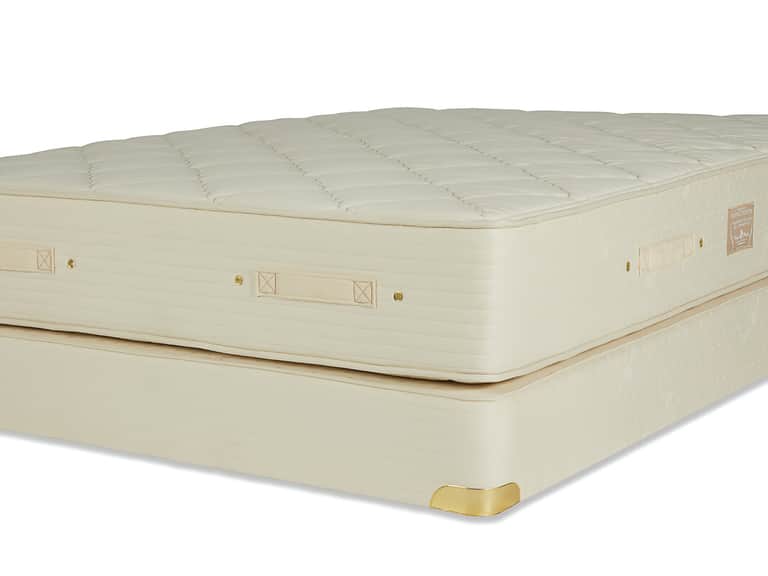
Some mattresses use a central support layer with softer latex above and below. In a flippable design, the two sleeping surfaces may be constructed similarly so that either side can be used. A specific example is the Royal-Pedic Premier Natural Latex Quilt-Top Mattress, which has a 10-inch latex core described as 6 inches of medium-firm latex with 2 inches of softer latex on each side. Its construction also includes wool layers quilted into a cotton cover. This illustrates how a mattress can combine distinct latex layers with other materials rather than relying on latex alone to determine comfort.
When reviewing any layered design, look for the actual layer descriptions. Useful details include the thickness of each layer, whether firmness is specified, which side is intended for sleeping, and whether the mattress is designed to be flipped. If a description gives only a general material label, consider asking for clearer construction information before drawing conclusions about feel.
Firmness, pressure relief, and support are different ideas
These terms often appear together, but they refer to related rather than identical aspects of a mattress. Firmness is the overall impression of how hard or soft the surface feels. Pressure relief concerns how the sleeping surface accommodates areas where the body presses into it. Support describes how well the mattress helps keep the body from sinking excessively and helps maintain a comfortable, balanced posture.
A mattress can feel soft at first yet still provide substantial support underneath. Conversely, a firm-feeling surface may not offer the cushioning a particular sleeper wants at the shoulders or hips. Latex layers help create a range of possible combinations: a mattress might pair a more forgiving surface with a stable core, or use firmer material closer to the top for a less yielding feel.
Pressure relief is personal, too. A sleeper who experiences discomfort on a mattress may be responding to its firmness, their preferred position, the pillow, or a combination of factors. No material can guarantee a particular result for everyone. A sensible comparison considers the complete sleep setup and focuses on whether the body feels comfortably supported rather than relying on promises attached to one component.
How sleep position can guide a comparison
Sleep position provides a helpful starting point, not a rigid rule. People often change positions during the night, and individual preferences vary. Still, thinking about where your body meets the mattress can help you identify what to pay attention to when testing a layered latex design.
- Side sleeping: Notice whether the shoulder and hip feel comfortably cushioned, without a sense of excessive sinking or pressure against a hard surface.
- Back sleeping: Consider whether the mattress feels supportive across the torso and pelvis while still allowing the surface to feel comfortable.
- Stomach sleeping: Pay attention to whether the middle of the body sinks more than you prefer. A softer top layer may feel different from a firmer, more level surface.
- Combination sleeping: If you change positions, notice how easily you can turn and whether the mattress continues to feel comfortable in each position.
These are observation prompts rather than medical advice or guarantees. A mattress that feels appealing for a few minutes may feel different after hours of use, so take advantage of a trial period when one is available and read its terms carefully. Also confirm that the base or foundation is compatible with the mattress design, since the foundation can affect the finished feel and how the mattress is supported.
Natural latex is not the whole materials story
When a mattress is presented as natural or organic, it is worth examining which parts of the product those words describe. A mattress may combine latex with a cover, quilting, wool, or other components. Materials can behave differently and contribute different qualities: a cover influences the feel of the surface, while a quilted layer can add cushioning or change how directly the latex is felt.
For example, wool in a mattress cover may add a soft, padded layer and is commonly valued for its ability to manage moisture. Cotton fabric can provide the outer cover, while the latex core supplies much of the mattress’s responsive structure. The experience depends on how those elements are built together. Two mattresses that both contain natural latex may therefore feel noticeably different.
Claims about natural content and certifications should be checked at the component level. Look for clear information about what the certification covers, which materials are included, and whether the claim applies to the finished product or only one ingredient. Broad labels can be useful as an introduction, but specific descriptions provide a more meaningful basis for comparison.
Latex allergy is also a consideration for some shoppers. Anyone with a known or suspected allergy should consult a qualified health professional and ask the manufacturer detailed questions about the material and how it is used in the finished mattress. Do not assume that a general “natural” or “organic” label answers questions about a personal health concern.
A practical way to compare latex mattresses
It is easy to get swept up in brand language or a long list of material claims. A simple comparison framework keeps attention on what you can verify and how the mattress actually feels.
- Map the construction. Write down the thickness and stated firmness of each layer, along with the materials used in the cover and quilting.
- Identify the intended sleep surface. Check whether the mattress has one usable side or is designed to be flipped, and whether the layers are identical on both sides.
- Describe your current comfort preferences. Note whether you prefer a close, cushioned feel or a more buoyant surface, and which sleeping positions you use most often.
- Test movement and pressure together. Lie in your usual position, then turn as you normally would. Notice both surface comfort and how easy it feels to change position.
- Ask about the foundation. Verify the recommended base type and any support requirements before purchase, especially if you plan to use an adjustable base or slatted platform.
- Read the return and care terms. Understand the trial period, transportation or return conditions, warranty coverage, and instructions for rotating or flipping the mattress.
When possible, compare mattresses under similar conditions. Use the same pillow, allow yourself enough time to settle, and avoid judging solely by the first few seconds. A mattress is a complete system, so a different pillow or foundation can change the sensation you notice.
Questions worth asking before you choose
Product descriptions can leave important details unstated. Clear questions help turn a broad claim into useful information:
- How many layers are in the latex core, and what is the thickness of each?
- Is the firmness of each layer identified, or is only the overall mattress firmness described?
- Are the top and bottom sleeping surfaces the same?
- Which materials are used in the cover and any quilted layers?
- What foundation is recommended, and are there specific requirements for slats or adjustable bases?
- How should the mattress be cared for, and can it be rotated or flipped?
- What does a stated certification apply to, and where can its scope be verified?
- What are the exact terms of the sleep trial, warranty, delivery, and return process?
Answers should be specific enough to compare one construction with another. If firmness is not reported layer by layer, ask how the manufacturer describes the finished feel and what testing or guidance supports that description. The aim is not to decode every technical detail, but to know what is inside the mattress and how it is meant to be used.
Care and longevity: follow the construction
Mattress care depends on the maker’s instructions and the materials in the finished product. A flippable mattress may be intended for use on both sides; a one-sided model may instead call for periodic rotation. Those instructions are not interchangeable, so check the product guidance rather than assuming every latex mattress should be turned over.
A compatible foundation is another practical part of care. Inadequate or uneven support can affect how a mattress performs, while a suitable base helps provide the support the design expects. If you move into a new home, replace a bed frame, or switch to an adjustable base, verify compatibility instead of relying on appearance alone.
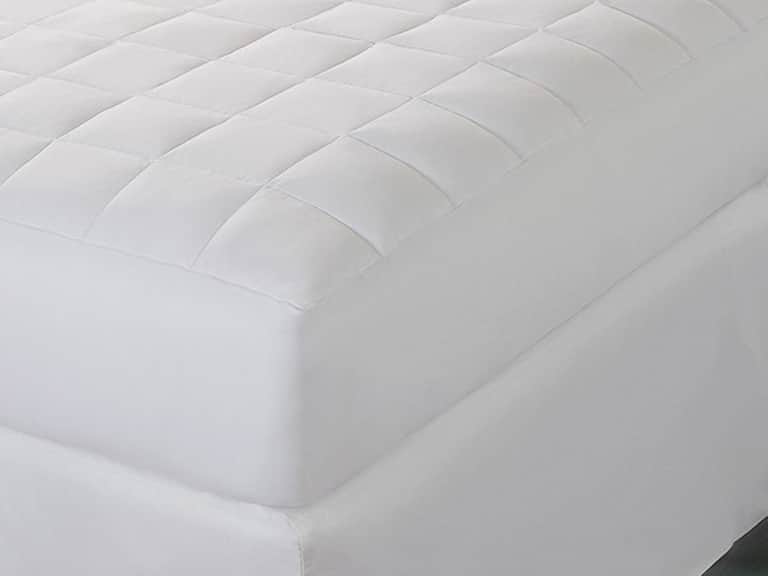
Protectors and mattress pads can help guard against everyday spills and wear, but they may alter the surface feel. If you add a layer, consider whether its cushioning or waterproof construction changes the responsiveness you chose the mattress for. Follow washing and drying instructions closely, particularly for specialty bedding, and avoid applying cleaning products to the mattress unless the manufacturer permits them.
A useful perspective for NYC homes
In New York City, a mattress has to fit not only the sleeper but also the realities of the home. Narrow hallways, staircases, elevators, smaller bedrooms, and limited storage can make dimensions and delivery planning especially important. Measure the room and the route into it, not just the bed frame.
Layered construction can affect the mattress’s total height, weight, and how it feels to handle. Before ordering, check the overall dimensions, delivery arrangements, and whether the mattress can be brought through the building’s access points. Ask about setup and removal policies if you need them, and confirm that your chosen frame or platform is compatible. These practical details do not change the comfort science, but they can make the difference between a smooth delivery and a frustrating day.
Urban bedrooms can also present different temperature, noise, and space challenges. A breathable-feeling surface may be attractive to someone who sleeps warm, but personal comfort depends on more than the mattress material; bedding, room temperature, and the sleeper all matter. Think about your actual room and habits rather than treating a material label as a promise of a particular sleeping temperature.
The bottom line on latex layers
Natural latex is valued for its responsive, buoyant character, but that description is only the beginning of a useful evaluation. Layer thickness and firmness shape how quickly the surface cushions the body and how much the underlying support influences the feel. Covers, quilting, and companion materials add still more nuance.
For a confident comparison, look past the headline material and study the complete construction. Consider your sleep position, preferred level of cushioning, ease of movement, and foundation requirements. Then test the mattress as patiently as possible and check the trial, care, and delivery terms. The right choice is not defined by a single material label; it is the layered combination that feels comfortable and supportive for you.